Riley Lehmann · 2 September 2026
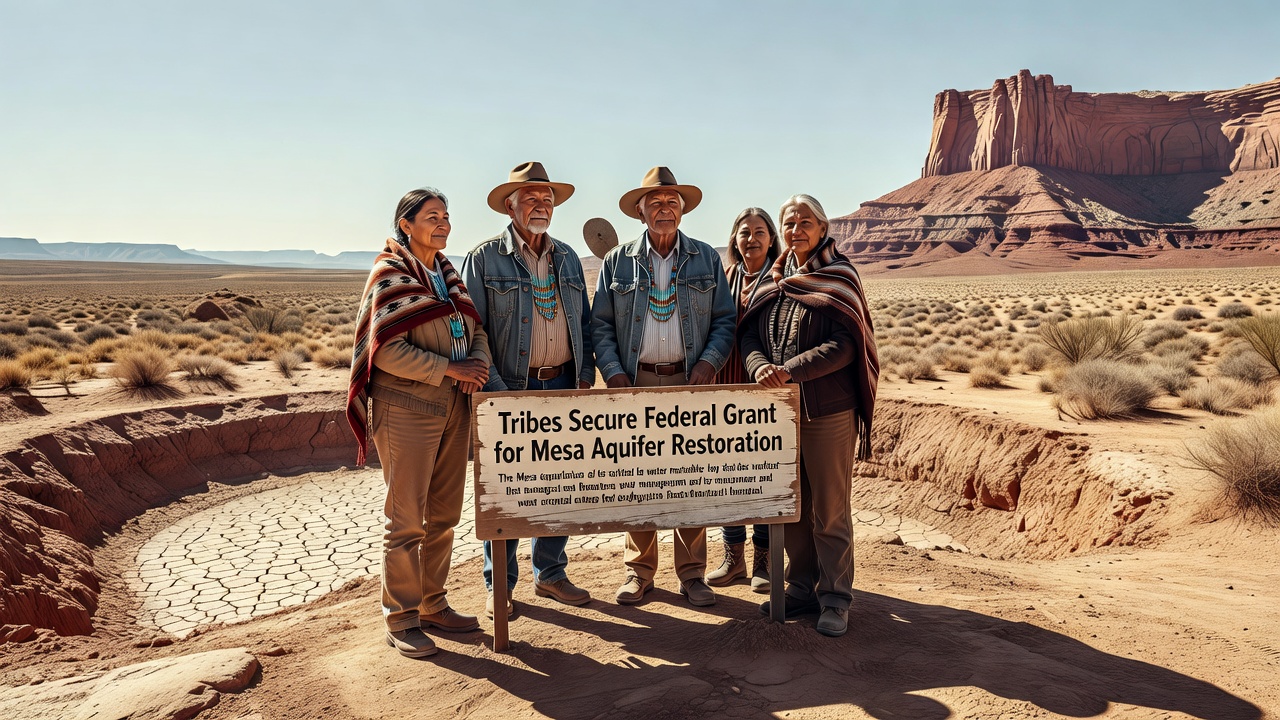
Several Native American tribes have secured a $4.2 million federal grant to restore the Mesa Aquifer, a vital groundwater source serving communities across the arid Southwest. The funding, awarded through the Environmental Protection Agency’s aquifer protection program, targets decades of contamination from agricultural runoff and industrial activity that have reduced water quality and availability. Tribal leaders emphasized the project’s role in safeguarding cultural and economic resources dependent on clean water.
Project Scope and Implementation
The restoration initiative spans three years and includes installation of advanced filtration systems, removal of legacy pollutants, and reforestation of recharge zones. Engineers will deploy monitoring wells to track nitrate and heavy metal levels, while hydrologists model future recharge rates under changing climate conditions. Tribal environmental departments will lead fieldwork, incorporating traditional ecological knowledge to prioritize sites of cultural significance. Partnerships with federal agencies ensure compliance with clean water standards, and quarterly reports will be shared publicly to maintain transparency.
Local employment opportunities are expected to reach 45 positions during peak construction phases, with training programs focused on water management skills. Equipment purchases will prioritize durable, low-maintenance technologies suited to remote terrain. The grant also funds community workshops teaching residents about conservation practices that extend aquifer lifespan.
Long-Term Benefits for Regional Ecosystems
Restored aquifer capacity is projected to support increased agricultural output and domestic water supplies for over 12,000 residents. Improved water quality will benefit downstream habitats, aiding recovery of native fish and riparian vegetation stressed by prior depletion. Tribal officials note that sustained access to clean groundwater strengthens sovereignty over natural resources and reduces reliance on external suppliers during drought periods.
Monitoring data collected over the project duration will inform future policy decisions at state and federal levels. Success metrics include measurable declines in contaminant concentrations and stabilized water table elevations. Officials anticipate the model developed here could guide similar efforts in other stressed aquifers nationwide, demonstrating effective collaboration between tribal nations and government agencies.